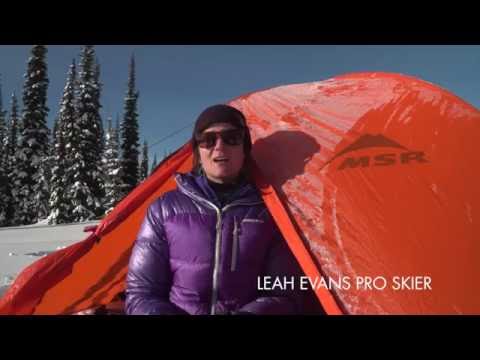
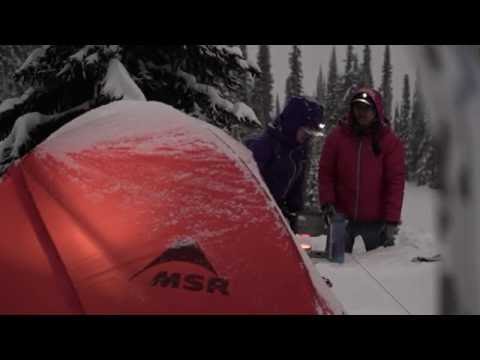
Access™ 2 Zwei-Personen-Ganzjahreszeiten-Skitourenzelt

Zu Produktinformationen springen
1 von 8

MSR

Access™ 2 Zwei-Personen-Ganzjahreszeiten-Skitourenzelt

Farbe: Green
Leicht, warm und robust – das ultimative Zwei-Personen-Zelt für Wintertouren durch das Hinterland.
  • Ultraleichte Wärme: Das begrenzte Netzgewebe am Zeltkörper hält in kalten Nächten die gesamte hart erarbeitete Wärme im Zelt, während das leichte Design Ihnen beim Skifahren, Reiten oder Wandern beweglich bleibt.
  • Easton® Syclone™-Stöcke: Moderne Verbundmaterialien brechen selbst bei schwierigen Winterbedingungen nicht.
  • Robuster Rahmen: Der zentral stützende Rahmen optimiert den Innenraum und widersteht Schneelasten.
  • Schneller Aufbau: Dank der einheitlichen Nabenstangen lässt sich das Zelt auch in kalten Umgebungen schnell aufbauen.
  • Zusätzliche Funktionen: Belüftungsöffnungen im Regendach verringern die Kondensation; wasserdichte Xtreme Shield™-Beschichtung für lange Haltbarkeit; zwei Türen; zwei Innentaschen; mehrere Abspannpunkte.
  • Enthält: Zeltkörper, Regendach, Stangen, 8 Groundhog™-Heringe, Abspannleinen, leicht zu beladender Packsack mit weiter Öffnung, Aufbauanleitung.

    Kompatibel mit dem Universal 2 Person Large Footprint , separat erhältlich

    Die Marken Easton® und Syclone™ sind Eigentum von Easton® Technical Products.

Product Award
Product Award
Product Award
Vollständige Details anzeigen
Das Access 2-Zelt wurde als ultimativer Unterschlupf für Skitourengeher, Splitboarder und Schneeschuhwanderer konzipiert. Es ist leichter als ein Bergsteigerzelt, aber wärmer als unsere Rucksackzelte. Das begrenzte Netzgewebe am Zeltkörper sorgt in kalten Nächten für mehr Wärme, während das leichte und verstaubare Design Ihnen beim Auf- und Abstieg wertvolle Energie spart. Der Innenraum ist geräumig zum Verzögern und der starke Rahmen hält nächtlicher Schneelast stand. Das Zelt lässt sich schnell aufbauen und bietet den nötigen Schutz für Camping unter weniger rauen Bedingungen, wie etwa in der Nähe der Baumgrenze – und ist damit perfekt für den Zugang zu den darüber liegenden Mulden, Bergrücken und Pulverschneefeldern.
Capacity:
2
Minimum Weight:
3 lb 10 oz (1.64 kg)
Packaged Weight:
4 lb 1 oz (1.86 kg)
Packed Size:
18 x 6 in (46 x 15 cm)
Floor Dimensions:
84 x 50 in (213 x 127 cm)
Floor Area:
29 sq. ft (2.69 sq. m)
Interior Peak Height:
42 in (107 cm)
Vestibule Area:
17.5 sq. ft (1.62 sq. m)
Vestibule Volume:
17 cu. ft (481 liters)
Tent Volume:
56 cu. ft (1586 liters)
Number of Doors:
2
Freestanding:
Yes
Number of Poles:
(1) Easton® Syclone™
Rainfly Fabric:
20D ripstop nylon 1200mm Xtreme Shield™ polyurethane & silicone
Canopy Fabric:
20D ripstop nylon & DWR / 10d polyester micromesh
Floor Fabric:
30D ripstop nylon 3000mm Xtreme Shield™ polyurethane & DWR
Color:
Green / Orange
Country of Origin:
Made in China
SKU:
13131 / 13117

Einklappbarer Inhalt

What is solution-dyed fabric?

Solution-dyed fabric uses pre-dyed fibers to minimize the water and energy required to color the fabric. This means that color, or pigment, is added to the material producing the completed fabric. Compared to conventional batch-dyeing—the process of dyeing already produced fabric— solution dyeing requires significantly less water and energy, reducing waste and carbon emissions.

Why do actual weights sometimes differ from published weights?

Although we try to be as accurate as possible with our published weights, MSR, like all manufacturers, must make educated guesses as to what the final weights of our tents will be. Because of this, you may notice your tent weighing a few ounces above or below its advertised specs. Such discrepancies are common among tents due to the nature of the product. During the manufacturing process, variations in coatings and fabrics can lead to modest weight differences. In lightweight tents, this equates to a mere ounce or two. In larger tents, it can be a bit more.

Here are a few reasons for those weight variances:

  • Coating variances: The thickness in coatings on tent fabric can vary a bit from one tent to another. Fabrics are produced in batches and called “lots,” and there can be a slight weight difference between lots as well as within lots.
  • Fabric variances: Because tent fabric is hand cut in up to 200 layers at once, some pieces may be cut just outside the line, making certain parts slightly larger and thus heavier.
  • Scale accuracy: At MSR, weights are determined using our calibrated lab scales, which are more accurate than normal household scales.
  • Added products: Brands may decide at the last minute to include more stakes or guy cords, which will add to the packaged weight.
To learn more about how we define tent weights, please visit our blog post on this topic!

What are packaged and minimum weights?

At MSR, we voluntarily follow ASTM International F 1934-98 standards around these two tent industry terms. In accordance with this standard, packaged weight includes the total weight of the packaged contents off the shelf. Minimum weight, by comparison, refers to the combined weight of the tent body, rainfly (if applicable) and tent poles, but not any of the other items that may appear in the package, such as tent stakes, guy cords, stuff sack, etc.

Many MSR backpacking tents can be pitched using only the rainfly, poles and footprint, and in our tent specs we call this non-industry standard setup option our Fast & Light weight.

To learn more about packaged weight vs. minimum, and the manufacturing processes that can affect them, check out our blog post on the topic.

What defines "waterproof" in a tent and what does the "mm" rating mean?

For an MSR tent, waterproof means that all external fabric has been coated with our exceptional polyurethane coatings and the seams are watertight out of the bag. "mm" refers to millimeters and is paired with a number to represent a standardized measurement of how waterproof a coating is. For instance, a 1500mm coating will withstand a 1500mm (5') column of water for more than one minute before a single drop might appear through the fabric. That's strong enough to prevent rain from leaking into a tent in a hurricane-force storm.

Why should I get a footprint?

We recommend that you use an MSR footprint (sold separately) underneath your tent. Customized to fit each specific model, it will not only keep your tent floor clean and dry, but it will also protect it from excessive abrasion, prolonging the life of the tent. In addition, some of our tents can be set up with just the footprint and fly, creating an incredibly light, minimalist alternative to a full tent.

How do I prevent mildew?

One of the easiest ways to damage your tent is by not drying it as quickly as possible after it gets wet. Storing a wet tent for as little as 24 hours in warm weather is likely to start the process of mildew formation. Mildew can permanently damage the waterproof coatings by causing them to separate from the fabric, but mild to severe staining is more common. Mildew stains are permanent. They cannot be removed without potential harm to the fabric coatings and are not covered by warranty. Even when your tent appears to be dry after use, it is always best to assure it is completely dry before storing. Hang it outside or pile it loosely in your house for a few days, turning it inside and out to assure it has dried everywhere. Never machine dry your tent as the heat can melt the fabric.

How do I repair tears?

You can do minor repairs in the field using one of several alternatives. We offer waterproof, self-adhesive patches (sold separately) for all of the fabrics and mesh on your tent. Seam sealants are also a good alternative for small holes, or use duct tape for minor, temporary field repairs. If you use duct tape, be sure to remove it as soon as you are through with your trip. The adhesive will eventually eat away at the fabric and you will end up needing a larger patch. We recommend carrying at least one of these as a precaution. If you have a large tear, our Product Service Center can also fix your tent after you return from your trip.

How do I seam seal my tent?

If you start to notice leaks along your seams, seam sealing can make them waterproof again, extending the life of your tent. The process can be easier than you might think. We put together this video to help guide you through.

What's the best way to clean my tent?

Cleaning your tent is not necessary unless it has an offensive odor or becomes heavily soiled. If heavily soiled, the pressure from a regular garden hose will remove most loose dirt. For more severe cleaning, set up your tent and hand wash it with warm water, a sponge and mild, non-detergent soap. Do not use dishwashing liquid, detergent, bleach, pre-soaking solutions, or spot removers. Rinse well. Dry your tent by pitching it or line-drying it. Never dry clean, machine- wash or machine-dry your tent. Any of these methods can remove all the waterproof coatings from the tent.

Are the shorter Hubba Hubba Bikepacking tent poles compatible with other Hubba Hubba series tents?

The shorter tent poles for our new Hubba Hubba 1 and Hubba Hubba 2 bikepacking tents will not work for previous generation Hubba Hubba tent series (non-bikepacking models). This is due to the specific geometry and design configuration. These pole sets are made out of different materials and the arc and curvature of the tent is actually different because of it. The tent body is then designed differently to fit snugly within that curvature, and thus, the two different tent poles are not interchangeable in between these models. Another question we get asked is whether or not the front mount bikepacking bag/stuff sack can be purchased separately to be used with a different (non-packing) Hubba Hubba series tent. The short answer is no, because the bikepacking tent poles are shorter - one of the main draws of this design for packability purposes, and it's ability to fit well between handlebars. The longer pole sets on other models will not fit into the Hubba Hubba bikepacking tent front mount stuff sack. Do you need tent poles for your non MSR tent, such as Walrus or Moss?For any tent poles that we do not make/no longer make (Moss, Walrus, etc.), please check with Tent Pole Technologies for information.

What happens if one of my poles breaks?

If a tent pole breaks, you can make a temporary splint with the pole repair sleeve. Slide the repair sleeve over the broken section and tape or wedge in place with a stick to hold it secure.

Understanding Prop 65

What is California Proposition 65?

Passed into law by California’s voters in 1986, Prop 65 is intended to help California residents make informed decisions about the products they buy.

The law states that companies selling products in California must display a warning when the product contains one or more of the approximately 800 chemicals known to the state of California to cause cancer and/or reproductive harm.

Why has MSR placed a Proposition 65 label on some of its products?

By placing the Prop 65 warning on a product, MSR acknowledges that it contains one or more of the chemicals on the Prop 65 list, however the listed chemical may be well within the “no significant risk” range. MSR has not evaluated every product but out of caution, we include the warning.

Are consumers who use an MSR product with a Proposition 65 label at risk?

The label simply indicates that the product contains the chemical and because of that, there is a potential for exposure to it.

The California government states: “The fact that a product bears a Proposition 65 warning does not mean by itself that the product is unsafe.” The government explains, “You could think of Proposition 65 more as a ‘right to know’ law than a pure product safety law.”

For example, some MSR stoves contain brass. Exposure to brass is not itself harmful. However lead is a component of brass and should the brass be disrupted, a user could potentially come in contact with the lead. While the lead levels fall below the “no significant risk” range, MSR is still required to acknowledge its presence.

To learn more about California’s Prop 65, please visit: https://oehha.ca.gov/proposition-65/general-info/proposition-65-plain-language

What types of chemicals are on the Proposition 65 list?

The Prop 65 list contains a wide range of naturally occurring and synthetic chemicals that are known to California to cause cancer or birth defects or other reproductive harm. They may be additives or ingredients in pesticides, common household products, food, drugs, dyes or solvents. They may be used in manufacturing and construction, or be the byproducts of chemical processes. Proposition 65 requires that the Governor of California maintain and publish a list of these harmful chemicals, and update it annually.

According to the state of California:

A chemical is listed if it has been classified as a reproductive toxicant or carcinogen by an "authoritative" organization on the subject. The U.S. Environmental Protection Agency, U.S. Food and Drug Administration, National Institute for Occupational Safety and Health, the National Toxicology Program, and the International Agency for Research on Cancer are considered authoritative for carcinogens. For reproductive toxicants, appropriate authorities include the U.S. Environmental Protection Agency, U.S. Food and Drug Administration, National Institute for Occupational Safety and Health, and International Agency for Research on Cancer. Chemicals will also be listed if they are required to be labeled or identified as a carcinogen or as a reproductive toxicant by an agency of the state or federal government.

What do the letters D and T after the fabrics mean?

"D" stands for Denier. It's a numbering system for fibers, filaments and yarns, in which the lower numbers are lighter/finer and the higher numbers heavier/coarser. "T" stands for Thread Count – specifically the number of warp and fill threads in a square inch. The lower numbers represent a loosely woven fabric and the higher number a tightly woven fabric. These two numbers together help indicate the strength and feel of a piece of fabric.

What are some different configuration of the tarps and wings?

The 7-point design has a "flat" and a "pointed" end. For all configurations, the "pointed end" should always be used as the highest supported point. The opposite "flat edge," which consists of three points, can be stretched tightly and attached to a shelter, car rack, or even the pole-supported vestibule of a tent to form a protected area. Try placing the poles at different points, using no poles at all or adding more poles to create new living spaces. (Paddles and sticks work well in the cord storage pockets, too.) Experiment and be creative!

How should I store my tent?

Never pack or store your tent if it is wet, damp or dirty. Although we use the best polyurethane waterproofing available, prolonged exposure to moisture causes hydrolysis which, in turn, causes the waterproof layer to break down, becoming soft, sticky and no longer waterproof. Storing a wet tent for as little as 24 hours in warm weather is also likely to start the process of mildew forming on the fabric. Mildew will cause your tent to stain, smell and will also lead to the premature breakdown of the waterproof coating. Mildew and moisture damage are not covered under the Limited Warranty.

For long-term storage, keep your tent in a dry and cool area, out of direct sunlight. Store it outside of its stuff sack, as you would a sleeping bag, in a breathable, over-sized cotton or mesh duffel for protection. On the cheap, an old pillowcase is ideal.

How do I guy out my tent with the included tensioners?

Guying out your tent will provide more stability in windy or extreme conditions while also maximizing ventilation. To guy out your tent, run cord from the tent's guy point through the tensioner. Pass the cord around the stake and back through the tensioner, keeping the curved side of the tensioner toward the stake. Tie a knot at the end of the cord. To tighten cord, pull the tensioner up along the cord and release.

What causes condensation and how do I reduce it in my tent?

Condensation is the build-up of moisture inside your tent due to differences between the inside and outside temperatures. There are three main sources:
  • Weather Conditions: High humidity, low temperatures, and rainy conditions create the most condensation.
  • People: We produce about 1 - 2 pints of moisture per night through breathing and skin evaporation.
  • Wet Environment: Wet ground or wet gear stored inside the tent.
While no tent design can eliminate condensation, the key to reducing it is ventilation. Cooler, drier air has to flow into your tent and warm, moist air must escape. We have designed a variety of ways to do this.

To start, the tent body and ceiling are made of breathable and mesh fabrics. This allows moisture to escape the interior of your tent. However, it must also be able to escape the waterproof fly, and every MSR rainfly has a peak vent that provides protection from the outside, while still allowing essential, free-flowing fresh air to move through your tent. You can also leave a door open in good weather, or take advantage of the double sliders on the doors to vent from the top where warm and moist air tends to accumulate. Make sure to leave at least two vents open if possible, allowing any breeze to provide cross-flow ventilation for maximum circulation. Guying out your rainfly will also increase ventilation in hot or humid conditions.

Video: What causes condensation in a tent

How long will a tent last?

A tent's lifespan is directly connected to the amount you use it. A tent's biggest enemy is UV radiation (just like your skin). A tent that lives in extreme conditions at high altitude, such as Everest Base Camp, may only last a few months, while a well taken care of tent, used occasionally under normal conditions, can last for many years.

Does MSR sell tent pole sets by themselves?

Yes, we do sell tent pole sets by themselves – just contact us here if you need a replacement. Please note, our pole sets are only compatible with the specific tent model they are designed to fit.
Free Shipping on Orders over $50

We offer complimentary FedEx Ground shipping for orders over $50. Learn More

Orders Shipped in 1-2 Days

We do our best to get all orders out within one business day, Monday through Friday. Learn More

No Hassle Returns

We accept returns within 30 days of purchase. All returned items must be in new condition. Please be sure no dirt, grass or pet hair is on the item you are returning. Learn More

We Believe in What We Build

At MSR, we take pride in engineering the highest-quality outdoor gear available, and we stand behind everything we make. MSR gear is built to be exceptionally durable and easily repaired. And we back it up with the best service in the industry, all to keep your gear performing for you—and out of landfills. Visit our MSR warranty page for more info.

Portrait of our repair shop crew

Overall rating: 3.7931035 / 5 from 29 reviews.

AI Generated Review Summary

Summary topics

Review topics: ["size","weather","performance","problem","material","equipment","works","tent","wind","condensation","temps","option","tip","stuff sack","light","backcountry","ventilation","test","failure","stakes","loops"].

Review highlights

Reviews

Max Wind Speed

"I have used this tent at around 2700m under 30-40kmh winds in winter climbs and worked well but felt like these conditions are kind of the limit for this tent. What is the max wind speed that this tent can resist? I have a 5100m Winter Climb in front where the highest camp will be around 3800m, and I'm not sure if this tent is the right choice. I expect nominal 40kmh and some strong winds reaching up to 60kmh. Can technical team advise here please? Thank you"
Alican (4/5)

Tent and bag not worth their weight in gold

"Mon accès 2 ne m’a fait que 6 mois… Le sol de la chambre s’est percée (des petits trou microscopiques sont apparent), le toit s’est déchiré petit à petit suite à des rafales de vents allant à 60km/h. Pour une tente à ce prix là et la réputation de la marqu, je m’attendais à autre chose qu’une tente moins solide qu’une de chez décathlon… Sav contacté mais ne veut rien faire. J’en aurai bien racheter une mais au vu du sac pitoyable… je passerai à une autre marque… My second tent only lasted me 6 months. . . The bedroom floor was punctured (small microscopic holes are visible), and the roof gradually tore apart due to wind gusts reaching 60 km/h. For a tent at this price and the brand's reputation, I expected something other than a tent less sturdy than one from Decathlon. . . Contacted customer service, but they didn't want to do anything. I would have bought another one, but given the pitiful bag. . . I'll switch to another brand. . ."

Mathieu (1/5)

Limited space

"My 4 stars is for the tent space. Very minimalist for tall people. The 3-seater would be better suited to allow a little more living space. Especially in cold weather, currently a Tetris game to change in the tent if the 2 people are in it. The material is excellent and well designed for cold weather."

eric c. (4/5)

A Rock of a Tent

"I just came back from 14 days in the Beartooth mountains. This tent performed very well. Weathered extreme winds (the highest I have ever camped in), driving rain, sleet, and snow (7-8”). It was a rock. The only reason that this is not a 5 star review is that you need 4 to 6 additional guy lines & pegs to make this thing bulletproof but they do not come with the tent when you purchase it. My recommendation to anybody who is buying these Access tents is to buy the additional guy lines and pegs… once you add them this thing is unstoppable. I did read comments about condensation issues but I did not experience any more or less condensation using this tent. Condensation happens in cold weather camping & you just need to manage it."

J L. (4/5)

Good until it wasnt

"So i bought this in january and took it to Chile and Argentina for a three month climbing trip and it worked AWESOME. Kept me totally dry, was super spacious, packs down pretty small, is super light. Its awesome BUT half way through the trip ALL (but primarily on the rainfly (the most important part)) of the zippers started breaking for no reason. It did the annoyting thing where it splits and just stops functioning so I adjusted the tightness of the stakes and it helped for about 2 days then the problem returned and got a bit worse so I started verrrry carefully and slowly zipping and unzipping which, again, helped for a bit then started doing it again. So now it just doesnt really work ALSO one of the tent poles broke somehow at sometime idk when and i was able to make it the rest of the trip with a splint but it was still pretty disappointing to have an $800 tent break so fast. The worst part though is that MSR has a limited lifetime warranty but what they dont mention in that is that they never respond to your warranty requests or really any way you try to contact them."

Sam (3/5)

Disappointed. A lot!

"I've been a fan of MSR products for a long time but this tent is simply bad. 1. Not enough stakes. I'm paying premium and then have to pay more to fully appreciate the product. Nonsense. 2. Cheapness or lazyness: there is no cord loops on the stakes to take them out of ground though holes for them are present. Again while paying premium I have to do it myself. 3. There is no way to close mesh windows on the inner tent while this is 4 season tent. Poor design. 4. If you are planning to use this tent in heavy rains you must glue the seams on the outer tent. Because (surprise!) the are not glued. *Premium price, remember? 5. At last the poles. They are on the prototype stage and are not ready for the market. Glass splinters in fingers and complete pole failure near the central hub in sunny weather with no wind. And in the wind tent lays on my face because poles are to bendy. Bring DAC back! At the end I feel like a lab rat paying for the tests on me while the tester earns money. Not good MSR, not good."

Anton P. (1/5)

Mr

"Very good tent. Excellent all round features and performance. Pros: good weight, fits 2 people, sturdy when pitched correctly. Cons: poles will give splinters so wipe them down with a cloth when you get them, not enough pegs supplied."

Brendan (4/5)

Tested in Canada, Scandinavia and Scotland.

"I bought my MSR tent back in 2020, when l began making YouTube videos ("Always Forward" channel). Ever since then, this tent has protected me or my wife & me in many different conditions and countries. The tent is almost intact and l'm sure l've used it more than the average user. l take care of my gear so that my gear takes care of me/us. The good: - Not a single problem with the poles, but l'm always careful when putting the tent up and taking the tent down, when poles tend to break. - It never leaked and trust me, that tent has taken 'end of the world rain' multiple times. - Liveability: The tent is comfortable enough for a couple or 2 close friends, each having a door and a vestibule. - Easy to pitch; always achieve an optimal pitch (unlike other tents like my MLD Duomid that you always have to play a bit with the pitch). - Strong enough to take serious winds should you camp in an exposed area. - Condensation management is great. l don't know what some users here expect from a tent, especially those critizising the tent in winter usage. Condensation is a part of winter camping, no matter how well ventilated your tent is, you always get some. The colder, the more condensation you get. The problem isn't the tent, but the lack of skill and unrealistic expectations. The Neutral: - It pitches the inner first. In a bad rainy day, you'll have to first put up the inner tent (while it's pooring down on it) and only then you can add the rainfly. In reality, it's never been a problem for me. l carry a sponge for the very bad days when l had to wipe a few puddles that were created while pitching the tent. Not a big deal. The bad: - Personally, l don't find anything bad or poorly designed and trust me, l am very critical. Overall, it's a solid recommendation if this type of tent is what you're looking for and you're willing to carry its weight."

Antonio G. (5/5)

My new favorite!

"Loving this tent so far! It's super lightweight, has double entry with sizeable vestibule space, is easy to pack, and the stuff sack makes an excellent pillow (after adding your extra clothes of course)."

Jaime P. (5/5)

I don't love it

"-a lot of condensation -the pole broke after one season of use and can't be fixed -so many strings"

Jenny (2/5)

Q&A